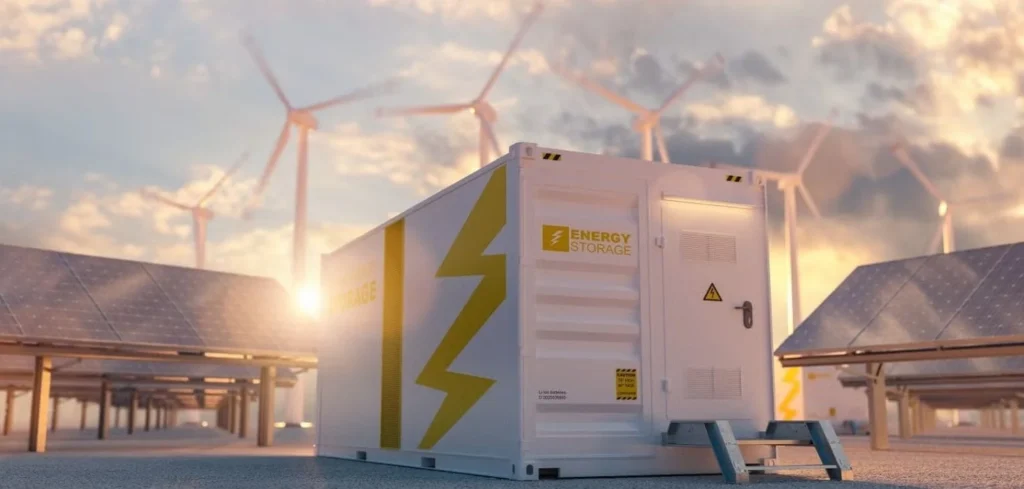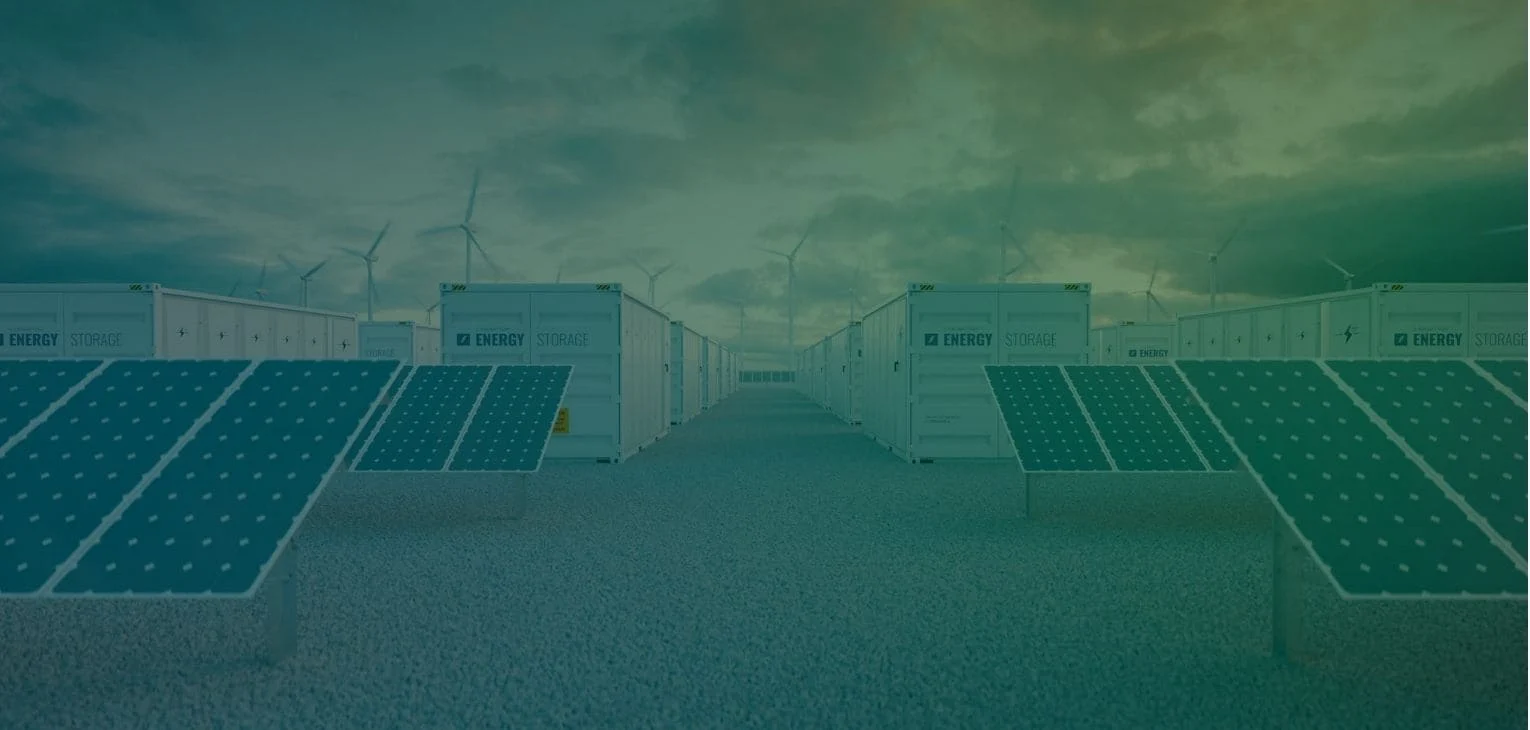
Battery storage is more than just a large-scale version of the batteries we use in our daily lives. To work safely and make money on the power grid, these systems rely on several different “layers” of technology. Each layer has a specific job, from protecting the battery cells to deciding the best time to sell electricity.
Because these terms can sometimes be confusing, this section explains the main parts of a battery energy storage system and how they work together to keep the lights on and the business profitable.
What is a Battery Management System (BMS)?
The Battery Management System (BMS) is the supervisory control unit responsible for the safe and reliable operation of the DC battery pack. It executes the functions of cell voltage balancing, thermal regulation, and protection. The BMS computes and reports critical operational parameters (including State of Charge (SoC), State of Health (SoH), as well as maximum permissible charge and discharge power limits) to external supervisory or control systems. These values form the basis for determining allowable operating envelopes and ensuring protection against over-current, over-voltage, and over-temperature conditions.
What is a Power Conversion System (PCS)?
The Power Conversion System (PCS), commonly referred to as the battery inverter, is responsible for converting the DC power stored in the battery into grid-compliant AC power. The PCS determines the timing and magnitude of charge and discharge power flows and governs the operational mode of the system (e.g., grid-connected or islanded operation).
Effective and efficient system operation necessitates electrical compatibility between the battery and PCS: the battery’s allowable voltage range must fall within the PCS’s operational voltage window, and the maximum charge and discharge current limits communicated by the BMS must be enforced within the PCS to restrict inverter current draw and ensure safe operation.
What is an Energy Management System (EMS)?
The Energy Management System (EMS) serves as the supervisory control architecture that interfaces directly with both the BMS and PCS, while also coordinating additional on-site assets. In co-located installations where a battery energy storage system is situated alongside a generation facility, the EMS assumes responsibility for monitoring and controlling the generation asset in conjunction with the battery.
Depending on the site configuration, the EMS may additionally govern:
- Grid import/export analyzers are used for control-oriented decision making,
- Automatic Transfer Switches (ATS), Thermal Magnetic Circuit Breakers (MCB), and diesel generators in microgrid applications,
- Heating, Ventilation and Air Conditioning (HVAC) and fire-suppression systems within the battery enclosure,
- Power analyzers are used to monitor facility consumption for self-consumption or behind-the-meter applications.
Functionally, the EMS may be regarded as a site-level SCADA (Master SCADA), responsible for real-time field operation, data acquisition, and execution of operational commands. The EMS can integrate with energy trading platforms (e.g., smartPulse) to operate the site according to market optimization outcomes, and with Transmission System Operator (TSO), SCADA systems to execute dispatch instructions issued by system operators.
What are Optimization Service Providers (Optimisers)?
Optimizers acquire essential real-time and historical site data (including SoC, SoH, battery fault indicators, and renewable generation forecasts) and utilize this information within market optimization algorithms. Alternatively, these data streams may be forwarded to the Energy Trading Platform for further processing.
The storage optimization algorithms developed by smartPulse are embedded within the platform and are designed to generate market-aligned operational strategies for BESS assets.
What is an Energy Trading Platform?
Energy Trading Platforms, such as smartPulse, operate in tight integration with EMS infrastructures to acquire site telemetry (SoC, SoH, fault status, renewable generation, etc.). These platforms either execute internally developed optimization algorithms or transmit the relevant data to external optimization engines.
The market bids produced as optimization outputs (whether for Day-Ahead Power Markets, Intraday Power Markets, or Ancillary Services) are submitted to the respective market operator. Based on market results, the Energy Trading Platform generates an operational schedule specifying the battery’s operating mode (e.g., arbitrage, ancillary services provision) and the corresponding power setpoints for each trading interval. This schedule is subsequently communicated to the EMS for field execution.
From a functional perspective, Energy Trading Platforms are responsible for formulating commercial strategies and maximizing revenue streams, thereby clearly distinguishing their role from the operational responsibilities of EMS systems.
Unlocking the Full Potential of Your Storage Assets
Successfully managing a battery storage project requires a perfect balance between hardware safety and market intelligence. While the BMS, PCS, and EMS ensure your equipment runs smoothly on-site, the Energy Trading Platform is what actually turns those physical operations into a successful business. By connecting these technical layers with smart data, you can stop reacting to the market and start anticipating it.
As energy markets become more complex, manual trading is no longer enough to keep up. smartPulse provides the automated, algorithmic power you need to maximize your revenue and simplify your operations. Join the operators of over 800 MWh of battery capacity who are already using our platform to dominate the market.
Are you ready to optimize your BESS performance? Contact smartPulse today to book a demo and see how our trading platform can transform your energy strategy.
To learn more about BESS in details, your can check our A Deep Dive into BESS article.