Energy Portfolio Management (EPM) is the real-time coordination of generation assets, battery storage, demand flexibility, and market positions to maximize revenue while minimizing imbalance risk. Used by utilities, renewable operators, and energy traders, EPM combines forecasting, automated trading, and asset control across day-ahead, intraday, and balancing markets.
In real-world operations, EPM connects production forecasts, market bids, battery dispatch, and imbalance exposure into a single control loop. Portfolio managers use it to decide when to sell energy, when to store it, how much volume to hedge, and how to correct deviations in intraday and balancing markets.
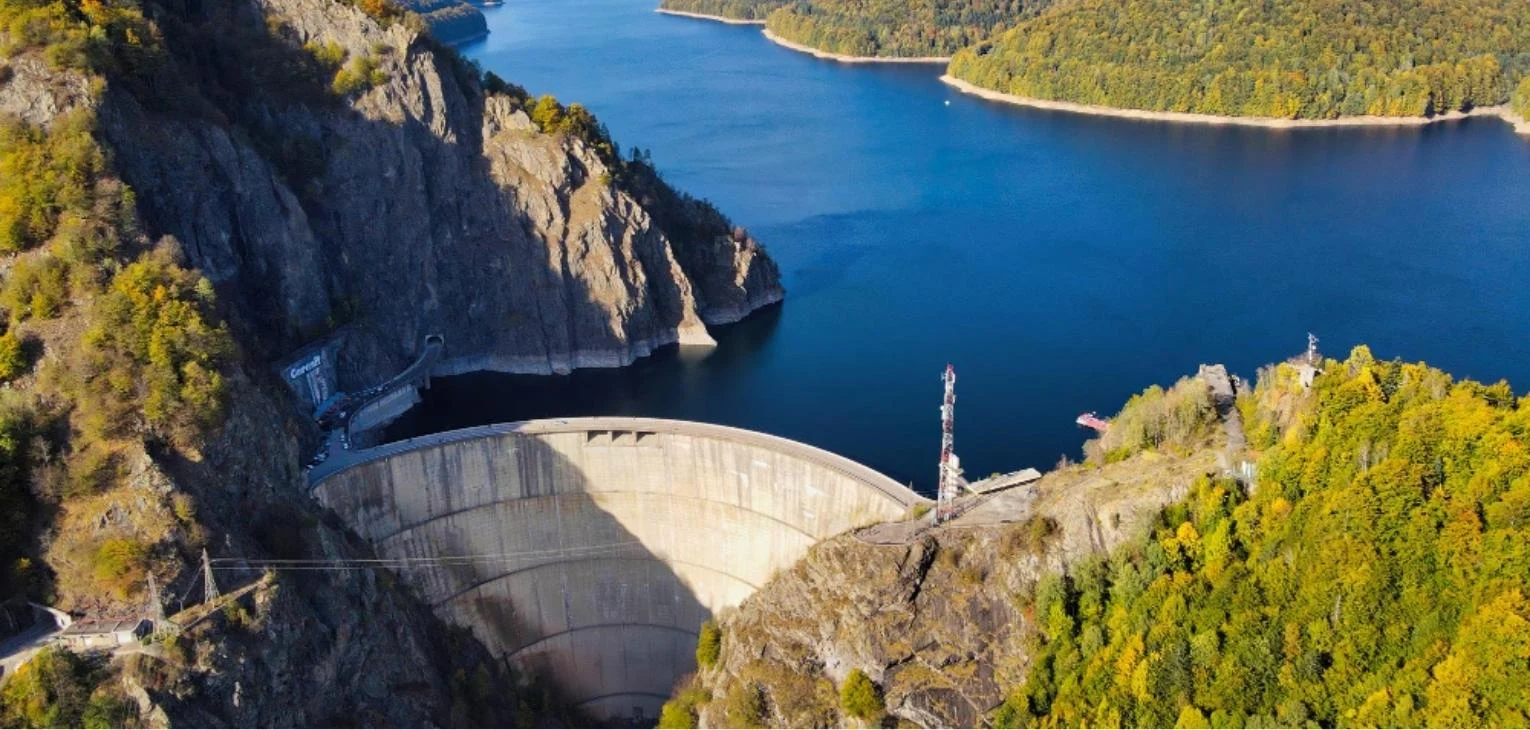
What is Energy Portfolio Management (EPM)?
In practice, EPM extends beyond trading to include long-term resource planning, procurement, and ongoing operational control-ensuring reliability while stabilizing energy costs.
At its core, EPM acts as the central mechanism for organizing a company’s energy interests. It essentially functions as a bridge that connects on-the-ground physical operations with the complexities of financial markets.
It relies on Advanced Data Analytics and automation to synchronize supply and demand across Day-Ahead Power Trading, Intraday Power Trading, and Balancing markets.
Unlike traditional management, which often views energy as a simple line-item expense, modern EPM treats energy as a risk-weighted financial portfolio that requires constant oversight. By coordinating a diverse set of energy assets (including generation plants, battery energy storage systems, and demand-side contracts), organizations can increase financial returns while mitigating the inherent risks of a volatile market.
The 3 Core Phases of the EPM Lifecycle
To successfully navigate the lifecycle of an energy portfolio, an organization must master three distinct phases:
- Resource Planning: Developing a multi-year strategy that balances the drive for sustainability with the necessity of cost control. This phase involves architecting a roadmap that can withstand various market scenarios.
- Procurement: The strategic acquisition of resources. This includes securing the right mix of traditional supply, renewable assets, and demand-side efficiencies to meet the goals defined in the planning phase.
- Ongoing Management: The most active phase, involving the daily and hourly trading and dispatching of resources. This ensures the portfolio reacts dynamically to market shifts, rather than remaining static and exposed.
The Shift from Static to Dynamic Management
Historically, managing energy was a slow-moving process handled in large, infrequent increments. Today’s landscape is dominated by renewable energy sources that fluctuate according to weather patterns, necessitating a Dynamic Portfolio Management style. Success now depends on making rapid-fire adjustments (sometimes in 5 or 15-minute intervals) to align with the unpredictable nature of the wind and sun.
Physical vs. Financial Energy Portfolios
A modern energy portfolio is comprised of two distinct but interlinked layers:
- The Physical Layer: This involves the actual “hardware” of the system, such as solar panels, wind turbines, and Battery Energy Storage Systems (BESS). Management here focuses on the laws of physics, ensuring that electrons are generated and delivered as promised.
- The Financial Layer: This consists of the “paper” side of the business, including PPAs, Futures, Options, and Guarantees of Origin (GOs). Management here focuses on market value, using these contracts to shield the organization from price swings in the physical market.

How does EPM Differ from Traditional Energy Management?
Understanding Energy Portfolio Management requires more than just a definition; it requires a clear distinction from the traditional frameworks that have governed the power sector for decades.
As the grid moves from centralized, fossil-fuel-based power to a decentralized, weather-dependent ecosystem, the industry’s focus has shifted. We are moving away from “static planning” and toward “dynamic optimization.”
The following comparisons highlight how EPM bridges the gap between long-term infrastructure goals and the high-speed demands of the modern energy market.
Integrated Resource Planning vs. Energy Portfolio Management
While Integrated Resource Planning (IRP) traditionally focuses on long-term engineering optimization (determining where and when to build physical infrastructure), modern Energy Portfolio Management (EPM) emphasizes financial risk management.
IRP ensures that the physical grid is capable of meeting future demand through technical capacity. EPM, however, adds a layer of “market-facing” agility. It allows utilities and corporate consumers to hedge against sudden price spikes using financial derivatives, turning energy management from a purely technical exercise into a sophisticated financial strategy.
Energy Asset Management vs. Energy Portfolio Management
It is common to confuse these two terms, but they serve different masters within an organization. While they are both essential for a successful energy operation, they operate at different levels of the value chain. One focuses on the machine, while the other focuses on the market.
Energy Asset Management: The Focus on Physical Health
Energy Asset Management is primarily concerned with the physical health and technical performance of the equipment. It is a bottom-up approach where the primary goal is to ensure that a single wind turbine, solar inverter, or battery system is functioning as intended.
The core metrics for an asset manager are uptime, availability, and technical efficiency. Their daily tasks involve scheduling preventative maintenance, managing spare parts inventories, and monitoring hardware sensors for signs of wear or failure. In this role, the objective is to increase the life of the hardware and ensure that when the wind blows or the sun shines, the equipment is mechanically capable of capturing that energy.
Energy Portfolio Management: The Focus on Economic Value
In contrast, Energy Portfolio Management is concerned with the economic value of the energy produced.
Instead of asking if a specific turbine is spinning, the portfolio manager asks: “Which asset should run right now to increase profit across the whole company?” Portfolio management considers the market price of electricity, the cost of grid access, and the contractual obligations of the business. For example, a portfolio manager might decide to curtail a perfectly healthy wind farm because the market price has turned negative, meaning the company would actually lose money by producing power. Their focus is on the “spread” between the cost of production and the market value of the output.
Strategic Collaboration Between Energy Assets and Portfolios
The most successful energy firms do not treat these two departments as silos. Instead, they create a feedback loop between technical health and economic opportunity.
When an asset manager reports that a battery storage system has a degraded state of health, the portfolio manager must adjust their energy trading strategy to account for the reduced capacity. Conversely, when the portfolio manager identifies a high-value window for frequency response services, they coordinate with asset management to ensure all systems are cleared for high-intensity operation during that specific period.
| Feature | Energy Asset Management | Energy Portfolio Management |
|---|---|---|
| Primary Goal | Increase equipment uptime and longevity. | Increase financial return and risk mitigation. |
| Core Metrics | Availability, Efficiency, and MTBF (Mean Time Between Failures). | Profit per MWh, Value at Risk, and Imbalance Costs. |
| Primary View | Granular (focuses on individual components). | Holistic (focuses on the entire fleet and market). |
| Action Level | Physical maintenance and hardware repairs. | Market trading, hedging, and dispatch logic. |
| Key Question | Is the equipment working correctly? | Is this the most profitable way to use this asset? |

The Three Building Blocks of a Modern Energy Portfolio
A robust and successful energy portfolio is constructed upon three essential pillars: Generation, Flexibility, and Finance. In a market that increasingly relies on decentralized and variable power sources, these pillars work together to ensure that an organization can maintain both operational stability and financial profitability.
Generation Assets (The Volume)
Generation assets serve as the primary factories of any energy portfolio. They provide the raw volume of electricity required to meet contractual obligations or market demand. These assets are generally categorized by their operational characteristics:
- Solar and Wind: These represent the low-cost leaders of modern energy. While they provide the cheapest megawatt hours available, they are intermittent by nature, meaning their output is dictated by weather conditions.
- Hydro and Geothermal: Unlike weather-dependent sources, these are considered firm or predictable assets. While they often come with higher capital or operational costs, they provide the reliable baseload power necessary to anchor a portfolio.
Energy Storage (The Buffer)
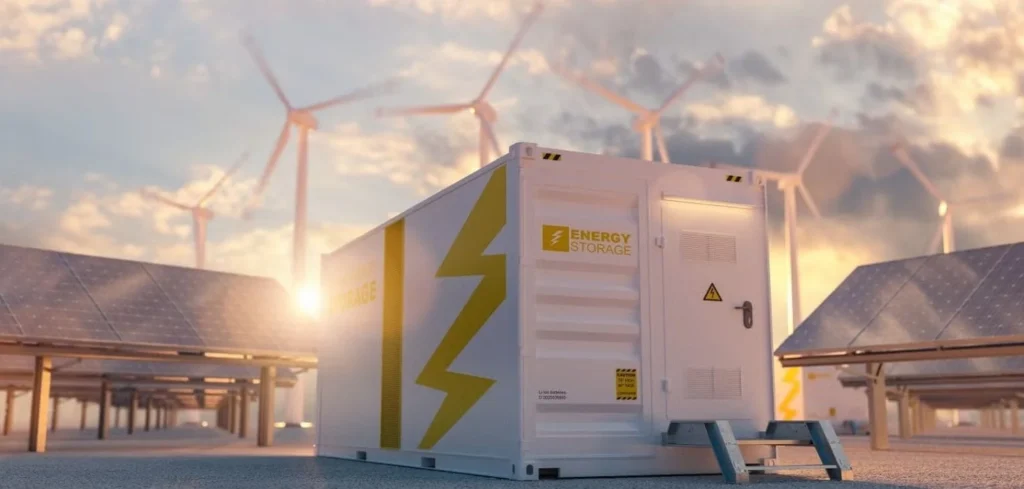
Battery Energy Storage Systems (BESS) have become the essential shock absorbers of the modern grid. They provide the critical buffer needed to manage the timing mismatch between when energy is produced and when it is consumed.
The primary value of storage lies in energy arbitrage. Portfolio managers use batteries to purchase and store power during windows of low or even negative pricing. This stored energy is then discharged back into the market when demand peaks and prices are at their highest, typically after sunset.
Beyond simple price capture, storage assets are vital for maintaining the state of charge (SoC) required to provide grid stability services.
Demand Side Flexibility (The Virtual Asset)
Industrial energy consumers are no longer passive users of electricity; they have become active market participants. By intelligently adjusting their operations, large-scale facilities can act as virtual assets within a portfolio.
When market prices spike or the grid is under significant strain, a factory can dial back its production or activate onsite backup systems. This reduction in load essentially functions as a Virtual Power Plant (VPP). By avoiding high-cost consumption, the facility generates revenue or avoids losses, acting as a virtual battery that provides relief to the wider energy system.
| Component | Role in the Portfolio | Current Strategic Trend |
|---|---|---|
| Renewable Generation | The primary volume source. | A major shift from fixed feed-in tariffs toward managing merchant market risk. |
| BESS (Battery Storage) | The buffer for price arbitrage. | Sophisticated management of the State of Charge (SoC) to increase revenue. |
| Virtual Power Plant (VPP) | The aggregator of small assets. | Bundling thousands of electric vehicles and heat pumps into a single tradeable block. |
| Demand Response | The hedge against high prices. | Industrial plants functioning as virtual batteries to stabilize costs. |
| PPAs and Derivatives | The financial floor. | The transition toward hybrid PPAs that combine renewable generation with storage. |
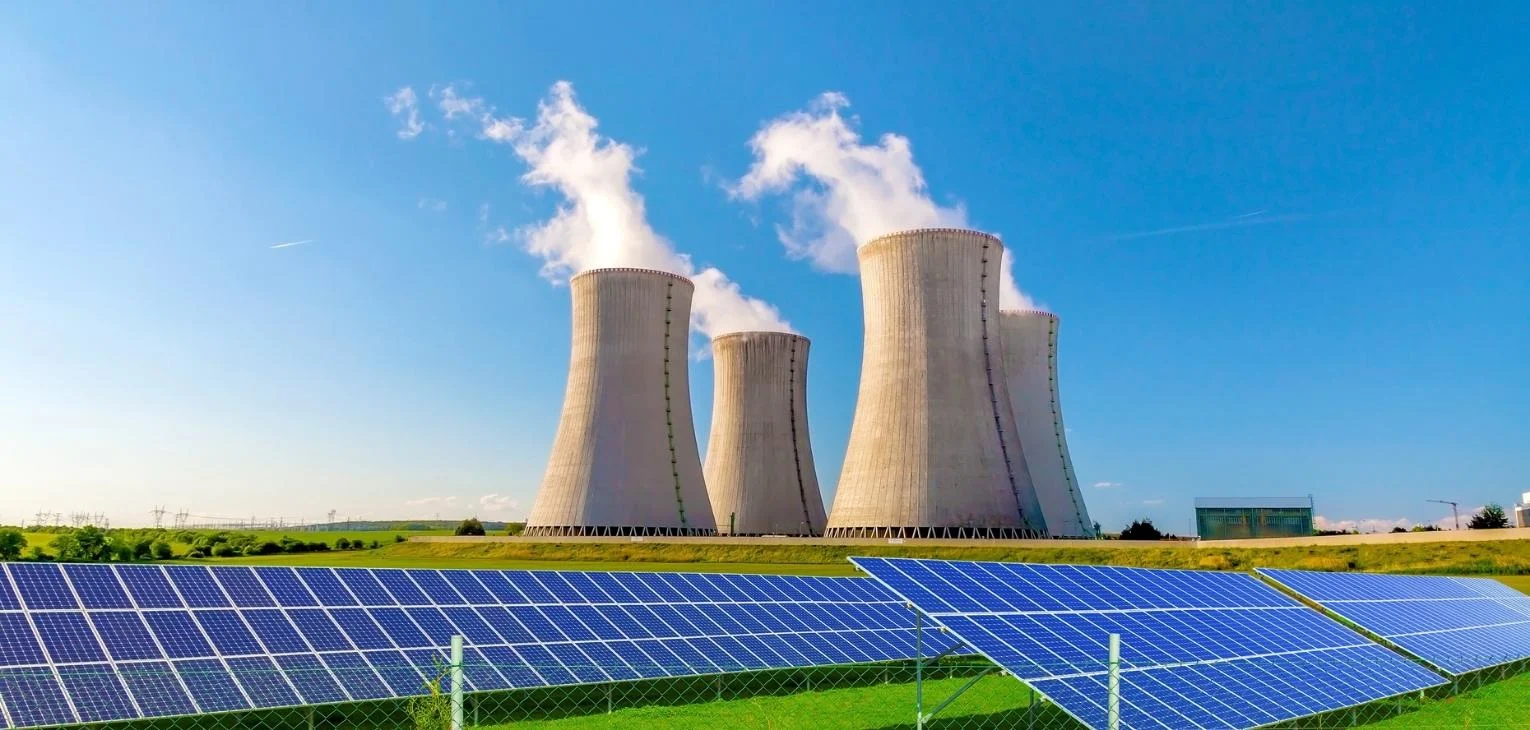
Hybrid Portfolio Strategies
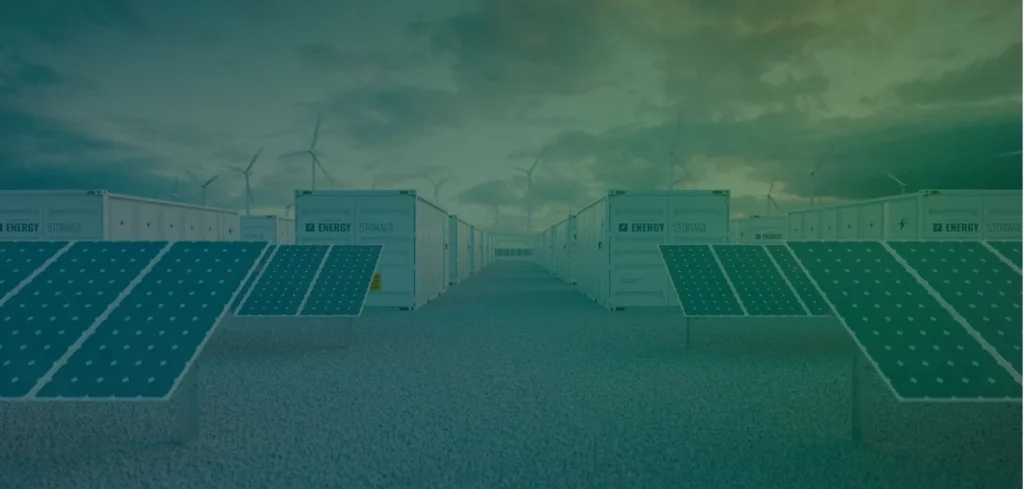
In the contemporary landscape, an energy portfolio is rarely just a collection of traditional power plants. Instead, it is a “hybrid” ecosystem designed to balance intermittency with flexibility.
A modern hybrid portfolio consists of:
- Variable Renewable Energy (VRE): Clean, low-cost generation from solar and wind farms.
- Energy Storage: The essential flexibility provided by utility-scale batteries (BESS) and long-term storage.
- Flexible Demand: Industrial loads that act as “virtual batteries” by shifting operations based on market price signals.
- Financial Contracts: Tools like Power Purchase Agreements (PPAs), futures, and swaps that lock in long-term value.
Revenue Stacking Strategies for Hybrid Portfolios
The true strength of a hybrid strategy lies in Revenue Stacking. In 2026, a single energy asset rarely performs just one task. To optimize ROI, managers use a strategy where one physical resource (like a battery or a flexible industrial load) taps into multiple income streams at the same time. Instead of simply selling energy when prices are high, a “stacked” hybrid asset might:
- Provide Grid Stability: Earn steady fees for balancing grid frequency (Ancillary Services).
- Execute Arbitrage: Charge during noon-time solar surpluses and discharge during evening peaks.
- Hedge Against Penalties: Use stored energy to cover unexpected “shorts” in the portfolio, shielding the business from expensive imbalance costs.
By stacking these layers, a hybrid portfolio becomes a multi-tool for the grid, ensuring that every megawatt of capacity is generating value every minute of the day.
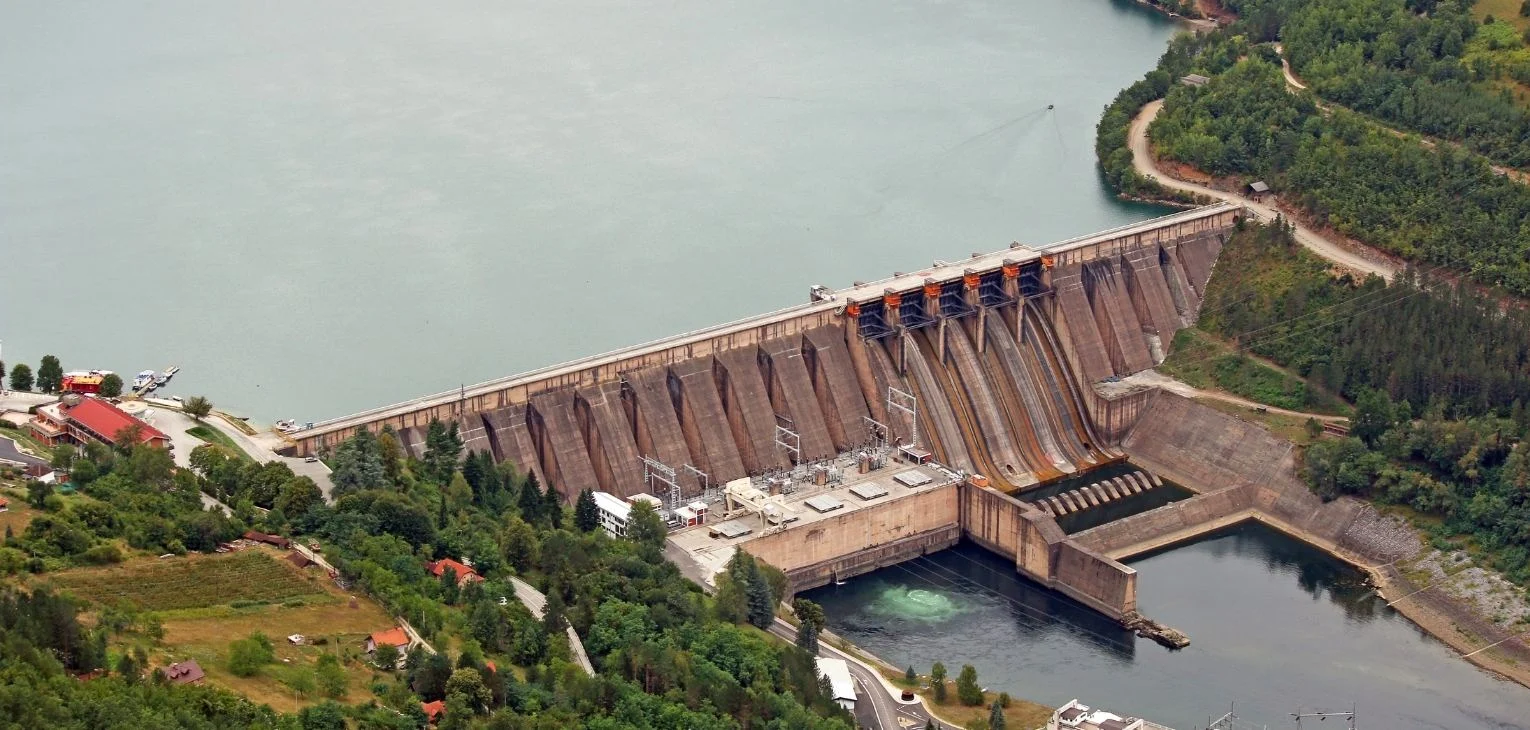
Multi-Asset Portfolio Optimization Methods
Optimizing a modern energy portfolio is a complex balancing act that requires a manager to weigh the expected financial benefit against the potential Value at Risk (VaR). The goal is to increase the return on energy assets while ensuring that the organization is protected from extreme market movements that could jeopardize liquidity or operational stability.
The Foundation of Risk-Weighted Management
Effective optimization moves beyond simple cost reduction. It involves a deep understanding of how different assets and contracts correlate with one another. By applying rigorous mathematical models, managers can identify the efficient frontier of their portfolio, ensuring they are taking on the right amount of risk for their desired level of reward. This approach turns energy from a volatile expense into a structured financial asset.
Strategic Energy Portfolio Optimization Framework
To achieve a balanced portfolio, managers typically deploy a combination of the following strategies:
- Diversification of Resources: By spreading investments and contracts across a variety of energy types, such as wind, solar, and natural gas, a portfolio becomes less vulnerable. If one sector faces a downturn or a technical failure, the others can provide a necessary safety net.
- The Principle of Laddering: This strategy involves staggering energy purchases or sales over different time horizons. Instead of committing to a single price point at one moment in time, a manager averages their costs over several years. This prevents the organization from being forced to buy or sell when market prices are at an unfavorable extreme.
- Strategic Demand Side Management: Often, the most cost-effective way to optimize a portfolio is to avoid buying power altogether during peak periods. By incentivizing or automating a reduction in consumption, a firm creates a form of internal insurance against the most expensive market hours.
- Financial Layering and Hedging: Advanced portfolios use financial instruments to lock in profit margins regardless of how the physical market fluctuates. Using tools like price collars or options allows a manager to set a floor on their potential losses while still maintaining the ability to profit if the market moves in their favor.
| Strategy | Primary Benefit | Risk Mitigation |
|---|---|---|
| Diversification | Spreads financial risk across multiple fuel and technology types. | Reduces the impact of a price spike or supply failure in any single sector. |
| Laddering | Averages the total cost of energy over an extended multi-year period. | Prevents the risk of procuring the entire energy load during a price peak. |
| Demand Side Management | Lowering usage is frequently more economical than sourcing a new supply. | Serves as a proactive insurance policy against extreme market price volatility. |
| Financial Hedging | Uses structured options and collars to secure predictable profit margins. | Restricts potential downside losses while keeping the door open for market gains. |
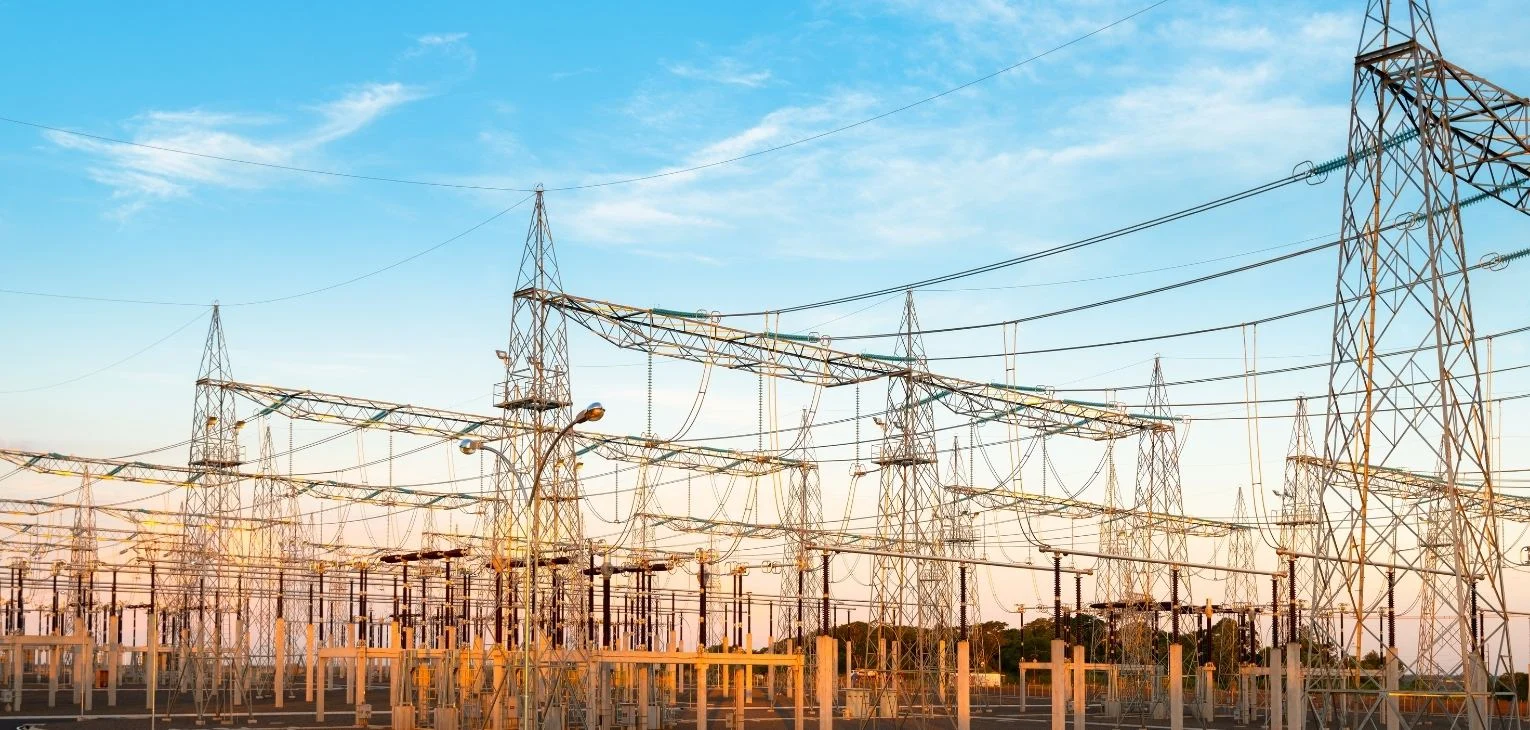
The Operational Cycle: From Forecasting to Dispatch
Energy portfolio management functions as a continuous, closed loop. It is a multi-layered process that begins with long-term strategic planning years in advance and culminates in millisecond speed execution at the grid level. By breaking this down into a four-stage cycle, organizations can maintain a balance between stable financial returns and the physical realities of the power grid.
-
Forecasting and Predictive Analytics:
Data serves as the lifeblood of modern energy management. In the current landscape, forecasting has moved far beyond simple weather predictions. Portfolio managers now utilize models such as Deep Reinforcement Learning (DRL), where algorithms learn dispatch and bidding strategies by repeatedly simulating market outcomes and grid constraints.
This stage involves analyzing a vast array of variables, such as localized wind speeds, cloud cover movements, and potential grid congestion points. Furthermore, predictive analytics are used to model competitor behavior and future market-clearing prices. By identifying these factors before they occur, managers can prepare the portfolio for shifts in supply and demand with high precision.
-
Strategy and Hedging:
Before entering the power trading floor, a firm must clearly define its risk appetite and tolerance for volatility. This stage is where the financial “guardrails” of the portfolio are established.
Managers must determine the optimal ratio of energy to lock into long-term, fixed-price contracts (such as PPAs) versus the volume left exposed to the high-stakes fluctuations of the spot market. Effective energy hedging today utilizes a “Stacked Revenue” approach. This strategy allows assets to participate in multiple value streams simultaneously, such as selling bulk energy on the spot market while dedicated portions of the same asset provide high-value frequency response services to the grid operator.
-
Market Participation (Power Trading):
This is the active transaction phase where the strategy meets the marketplace. Power trading occurs across several distinct time horizons to ensure the portfolio is fully optimized:
- Day-Ahead Market: The majority of expected production is sold here to establish a baseline financial position.
- Intraday Market: This is where the real work of a portfolio manager happens. Transactions are made in near real-time to correct for any forecast errors or unexpected asset outages that occur after the day-ahead market has closed.
- Balancing Market: This is the final stage where the Transmission System Operator (TSO) settles any remaining differences between promised delivery and actual physical flow.
-
Real-Time Dispatch and Nomination:
Once a trade is finalized, the physical assets must be activated to fulfill the contractual obligation. This process, known as Nomination, involves informing the TSO of the final delivery plan and sending precise operational instructions to the hardware.
In a modern setup, this stage is almost entirely digital. When a trade clears on an electronic exchange, an API signal is triggered immediately. This signal provides “setpoints” to wind turbines, solar inverters, or battery systems, adjusting their output level to match the market commitment. This seamless integration between the trading desk and the physical asset is what ensures the portfolio remains in balance and avoids costly penalties.

Reducing Imbalance Costs in Power Trading
For any entity operating as a Balance Responsible Party (BRP), imbalance costs represent the most significant threat to bottom-line profitability. In a market where grid stability is increasingly sensitive to weather patterns and rapid demand shifts, the ability to close the gap between promised delivery and actual performance is a critical financial safeguard.
What are Imbalance Costs in Electricity Trading?
Imbalance costs are the financial settlements paid by energy market participants when their real-time electricity generation or consumption does not match their contracted schedules.
Imbalance costs occur when your actual energy delivery deviates from the volume you committed to provide. If you promise a specific amount of power but fall short, the Transmission System Operator (TSO) must intervene. They source the missing energy from expensive, fast-acting backup plants to keep the grid stable.
The cost of this last-minute intervention is then passed directly back to you as a stiff financial penalty. This “forecast gap” can be devastating. For example, if a solar farm predicts 100MW of output but cloud cover reduces it to 80MW, you are “short” 20MW. While you may have sold that power at standard spot prices, balancing energy is often procured under scarcity conditions and can cost several times more than wholesale rates. As imbalance tariffs and short-term volatility increase across many power markets, active portfolio control has become essential.
Using “At-Risk” Metrics for Defense
To protect a portfolio from these high-stakes penalties, modern managers rely on specific financial metrics to identify exactly where capital is leaking:
- Value at Risk (VaR): This provides a statistical estimate of the maximum potential loss the portfolio could face over a specific timeframe under normal market conditions.
- Costs at Risk: This measure calculates the probability that the total operational costs of the portfolio will exceed the designated budget due to market fluctuations.
- Credit Value at Risk: This assesses the danger that a counterparty, such as a supplier or trading partner, will fail to meet their delivery obligations, leaving your portfolio short and exposed to grid penalties.
Automation as a Defense Mechanism
To combat the inherent risks of modern power trading, companies are deploying comprehensive automated energy portfolio management solutions. These systems use real-time data to perform three critical functions:
- Monitor Deviations: Spotting a 5MW drop in wind output or solar performance instantly.
- Execute Corrective Trades: Automatically buying back power in the intraday market before the settlement period ends.
- Automate TSO Nominations: Updating the grid operator electronically to reflect the new delivery plan, which eliminates the manual errors that often lead to administrative fines.
The Financial Impact of Imbalance
A large-scale portfolio that lacks proper optimization can accumulate significant annual losses depending on portfolio size and market exposure to these grid penalties. These are not just theoretical risks; they are direct drains on cash flow. By transitioning to an automated system (such as smartPulse), operators reduce imbalance exposure by automating intraday corrections and eliminating manual nomination errors. This turns a major operational vulnerability into a significant source of recovered value.

AI-Driven Trading and Asset Optimization
As the energy sector accelerates its digital transformation, the human trader has undergone a fundamental evolution. In the modern control room, the role has shifted from a manual executor of trades to a system pilot.
This transition is driven by the fact that algorithmic trading is now widely used in power markets to improve execution speed, reduce human error, and respond to short-term price movements. At this speed and scale, AI is no longer a luxury but the primary engine of operational success.
Core Functions of AI in Energy Portfolio Management
- Closed-Loop Automation: AI platforms monitor assets in real time. If a battery’s state of charge deviates from the plan, the system automatically executes market trades to buy back energy and restore balance.
- Multi-Market Optimization: Algorithms simultaneously analyze the Spot market and ancillary services like the Frequency Containment Reserve (FCR). The AI identifies the most lucrative revenue stream for every megawatt and places bids accordingly.
- Rapid Risk Mitigation: Automation detects physical performance drops, such as a sudden dip in wind output, and buys replacement power in the intraday market within seconds to avoid grid penalties.
- System Pilot Efficiency: Rather than manual entry, human experts now focus on high-level strategy and overseeing the AI “pilots” that handle high-frequency execution.
Strategic Benefits of Automation
- Minimized Human Error: Automated TSO nominations ensure that physical delivery plans match market trades exactly, eliminating the administrative fines common in manual systems.
- Value Capture: By processing millions of data points, AI compares locational marginal prices, congestion signals, and order book depth across bidding zones to surface short-lived arbitrage opportunities.
- Operational Agility: Portfolios can respond to 5-minute or 15-minute market signals, a speed necessary for managing high volumes of variable renewable energy.
Frequently Asked Questions (FAQ)
What is a Balance Responsible Party (BRP)?
A BRP is a legal entity held financially accountable by the grid operator for any mismatch between promised energy and actual delivery. If a portfolio produces more or less than its scheduled nomination, the BRP must pay the resulting grid stabilization fees.
How do negative prices affect a portfolio?
Negative prices signal that electricity supply exceeds demand, often during periods of high renewable generation and low consumption. In these conditions, generators must pay to stay online. Portfolio managers respond by curtailing production, charging batteries, or shifting flexible demand. Automated EPM systems continuously evaluate whether it is more economical to stop generation, store excess energy, or rebalance positions in intraday markets to avoid losses.
What is the “Efficient Frontier” in energy?
The Efficient Frontier represents the set of portfolio configurations that deliver the highest expected revenue for a given level of risk. In Energy Portfolio Management, this is calculated using forecast uncertainty, asset constraints, and market price distributions. Operators evaluate different asset allocations and dispatch strategies to identify positions that balance profit potential against volatility and imbalance exposure.
How does “Optionality” help a portfolio?
Optionality refers to the ability to shift energy production, consumption, or storage in response to changing market prices and system conditions. Batteries, flexible generation, and demand response assets create optionality by allowing operators to delay selling electricity, absorb excess generation, or respond to price spikes. Portfolio managers use this flexibility to arbitrage between markets, reduce imbalance exposure, and prioritize higher-value dispatch opportunities.
What software is needed for EPM?
Energy Portfolio Management typically requires an integrated platform combining forecasting models, Energy Management Systems (EMS), market connectivity, and optimization engines. In practice, this includes production and price forecasting, automated bidding for day-ahead and intraday markets, real-time asset dispatch, and risk monitoring tools such as Value at Risk (VaR) and imbalance exposure tracking. Advanced setups also incorporate battery control, congestion-aware dispatch logic, and algorithmic trading modules to continuously adjust portfolio positions.
Can EPM be applied to regulated markets?
Yes. In regulated markets, EPM is used to model long-term load growth, evaluate generation investments, and minimize total system cost under regulatory constraints. Utilities apply portfolio optimization to compare resource mixes (renewables, storage, thermal assets) while accounting for reliability standards, capital recovery, and ratepayer impact.

Conclusion: The Path to Operational Excellence
In 2026, Energy Portfolio Management has become the essential operating system for the modern utility. As the grid becomes more decentralized and volatile, the ability to centralize data and automate market actions is no longer a luxury. It is the only reliable way to protect margins and provide stable rates for customers.
By integrating high-fidelity forecasting with automated balancing operations, energy leaders can turn the challenge of intermittency into a strategic, profitable advantage. The organizations that thrive will be those that successfully marry their physical assets with digital market intelligence.
As electricity systems become increasingly decentralized, managing thousands of variable assets requires more than manual trading and static planning. Organizations that implement real-time automation, AI-driven forecasting, and closed-loop dispatch gain a structural advantage: lower imbalance costs, faster response to market signals, and higher utilization of flexible assets. In this environment, Energy Portfolio Management is no longer a support function—it is the core engine of commercial performance.
Take Control of Your Energy Future with smartPulse
To thrive in this complex environment, you need a partner that understands the speed of the modern grid. smartPulse provides a unified platform that bridges the gap between your physical assets and the financial markets.
By automating your balancing operations and providing high-precision forecasting, we help you eliminate costly imbalance penalties and capture market opportunities in real time. Contact smartPulse today and support this transition by connecting physical assets directly with market execution and risk monitoring.