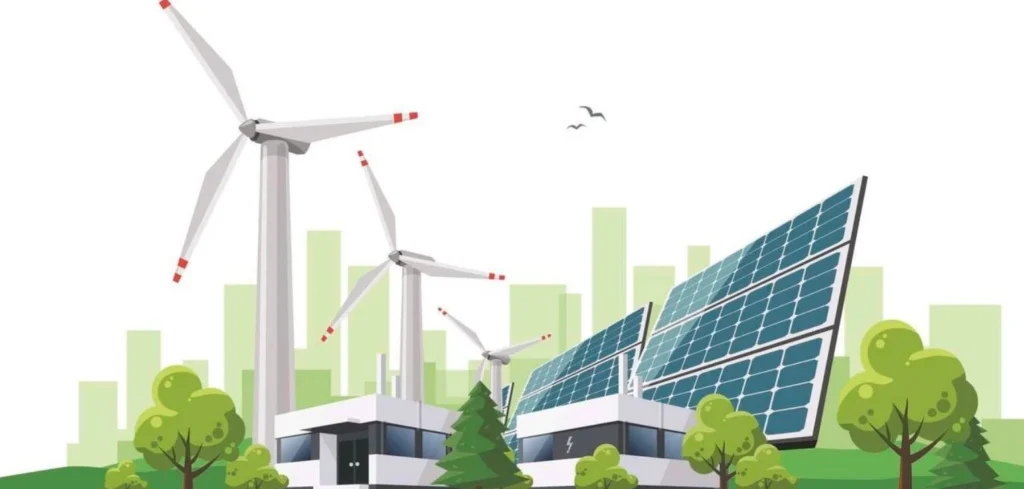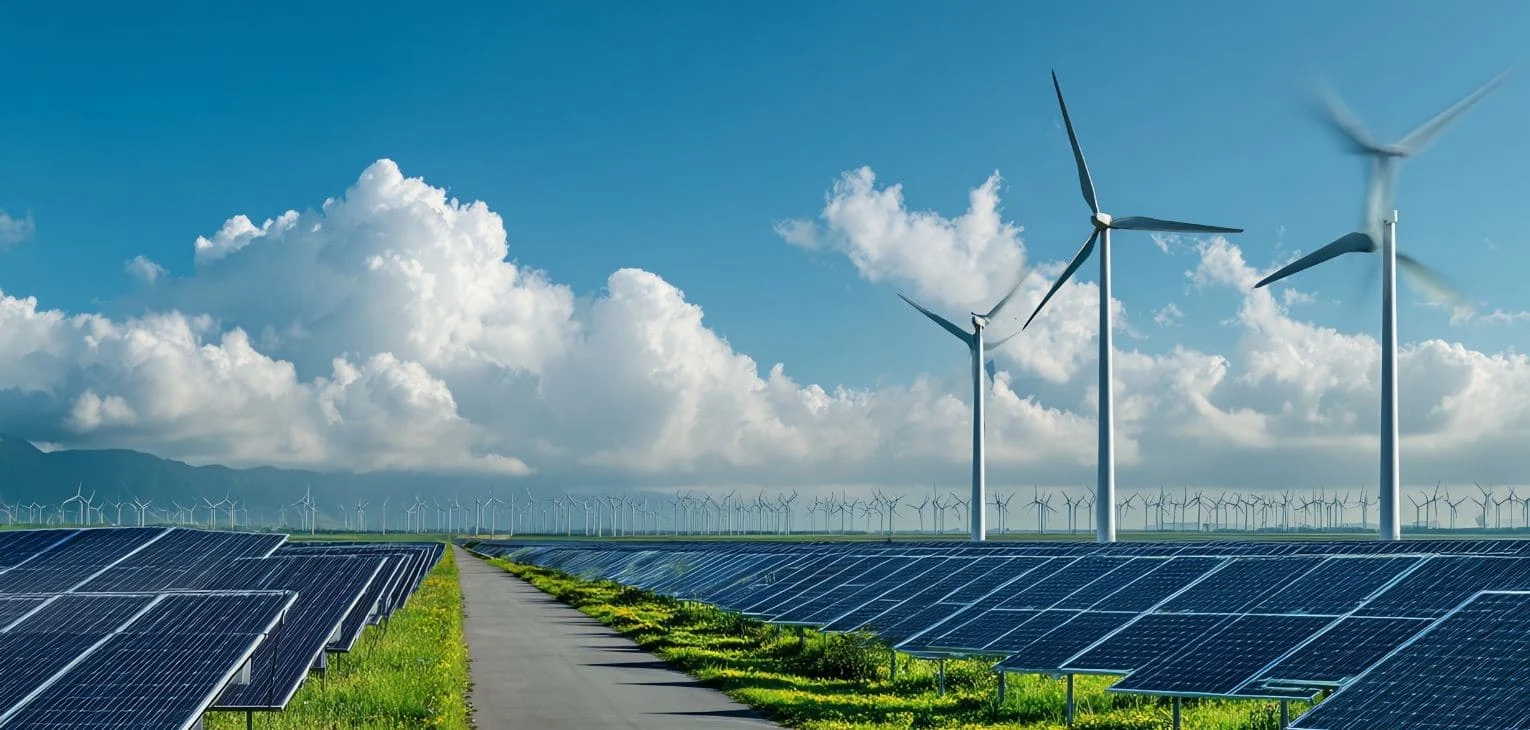
The global energy landscape is undergoing the most rapid transformation since the Industrial Revolution. For decades, our civilization relied on a steady, controllable supply of energy from fossil fuels, such as coal, oil, and natural gas.
However, as climate concerns intensify and technology improves, the shift to Renewable Energy Sources (RES) has become not just an environmental imperative, but an economic inevitability.
The sheer scale of this transition is staggering. In recent years, global investment in renewable energy has far surpassed that in fossil fuels. Yet, this new clean energy system is fundamentally different: it is diverse, decentralized, and often intermittent (unpredictable).
This diversity, while necessary, introduces unique technical and financial complexities for the modern power grid. Which sources are the most stable? Which are the most economical? And critically, how can energy companies successfully manage a portfolio built from these varying technologies?
This comprehensive guide provides an exhaustive analysis of the primary renewable electricity types, focusing on their generation mechanics, market economics, and the cutting-edge strategies (particularly automation) required for seamless grid integration and commercial viability.
What is Renewable Energy?
Renewable energy is electricity or heat generated from naturally replenishing sources such as sunlight, wind, water, and geothermal heat.
Unlike fossil fuels (coal, oil, and natural gas), which are finite resources that take millions of years to form and release carbon dioxide (CO2) when burned, renewable sources are inexhaustible and produce little to no greenhouse gas emissions during operation.
Why is the Transition to Renewable Energy Non-Negotiable?
The transition to renewable energy is non-negotiable because it addresses the two most profound and intertwined challenges of the 21st century: climate catastrophe (environmental necessity) and economic instability (financial risk from fossil fuels).
Environmental Imperative: Climate Stability
The scientific consensus is absolute: continuing to rely on fossil fuels (coal, oil, gas) releases massive amounts of carbon dioxide (CO2) and other greenhouse gases, which trap heat and cause irreversible climate change.
This instability threatens global security through extreme weather events (droughts, floods, wildfires), rising sea levels, and resource scarcity.
To avoid the most catastrophic effects, global emissions must fall sharply this decade, requiring a near-total replacement of fossil fuel infrastructure with carbon-free alternatives like solar, wind, and hydropower. This is not a choice, but a race against time.
Economic Reality: Financial and Supply Risk
Fossil fuels introduce systemic financial and supply risks that renewables neutralize.
- Price Volatility: Fossil fuels have highly volatile prices tied to geopolitics (wars, resource control) and commodity markets. Renewables (sunlight and wind) are free inputs, providing predictable, stable fuel costs once the initial plant is built.
- Production Cost: Thanks to technological advances, the Levelized Cost of Energy (LCOE) for solar and wind power has dropped below that of most new fossil fuel plants. Choosing renewables is now often the cheaper long-term business decision.
- Regulatory Risks: Governments worldwide are implementing carbon taxes and strict environmental regulations. Assets reliant on fossil fuels face growing financial liabilities, while renewables are protected from this increasing regulatory burden.
What are the Types of Renewable Energy Systems?
There are six primary renewable energy systems used for electricity generation in modern power grids.
What is Solar Energy?
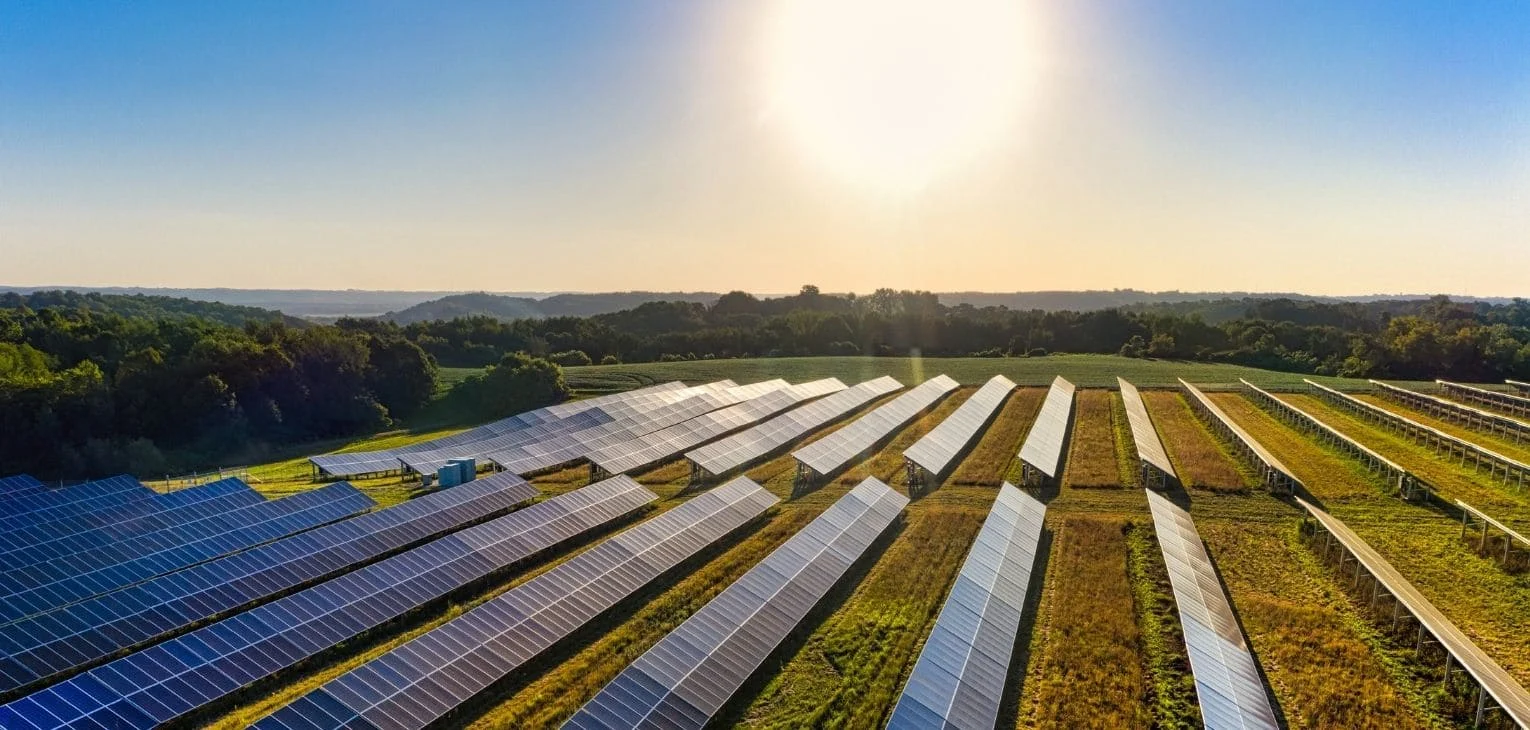
Solar energy is electricity generated by converting sunlight into usable power through photovoltaic and thermal technologies.
This energy travels to Earth as electromagnetic radiation, covering a broad spectrum that includes visible light, infrared (heat), and ultraviolet radiation. The total amount of solar energy hitting the Earth’s surface in one hour is greater than the amount of energy consumed by the entire world in one year.
Solar Energy Generation Technologies and Methods
While the total solar energy hitting the Earth is immense, it is captured and converted through two distinct technological pathways: Solar Photovoltaics (PV), which convert light directly into electricity, and Solar Thermal systems, which convert the radiation into heat.
-
Solar Power Generation: The Photovoltaic Effect
Solar photovoltaics (PV) is a technology that converts sunlight directly into electricity using semiconductor materials. This process, known as the photovoltaic effect, occurs when light strikes the semiconductor material within the panel, releasing electrons and creating an electrical current.
Its modularity, scalability, and dramatically falling Levelized Cost of Energy (LCOE) have made PV the fastest-growing renewable source globally.
-
Concentrating Solar Power (CSP): The Dispatchable Solar Solution
Concentrating Solar Power (CSP) is a solar technology that generates electricity by using mirrors to concentrate sunlight and produce heat for steam turbines. While PV is the most common technology, Concentrating Solar Power (CSP) utilizes the sun’s heat. CSP systems use vast arrays of mirrors (heliostats) to focus sunlight onto a central receiver filled with a fluid, such as molten salt.
This extreme heat drives a steam turbine to generate electricity. Crucially, the molten salt can store thermal energy cheaply for several hours, allowing CSP plants to continue generating electricity well after sunset. This makes CSP a dispatchable form of solar power, providing valuable stability to the grid.
The Intermittency Challenge: Managing Variability and Forecasting Necessity
Solar’s core limitation is its intermittency: generation instantly drops to zero at sunset and varies widely due to cloud cover. This poses a fundamental challenge for grid operators who require an instantaneous supply-demand balance.
In terms of power trading, this uncertainty translates directly into financial risk. Highly accurate solar forecasting models, utilizing satellite imagery, cloud tracking, and weather data, are absolutely necessary to predict generation precisely, allowing traders to commit to the correct power volumes in the market and avoid steep financial penalties for under or over-delivery.
What is Wind Energy?
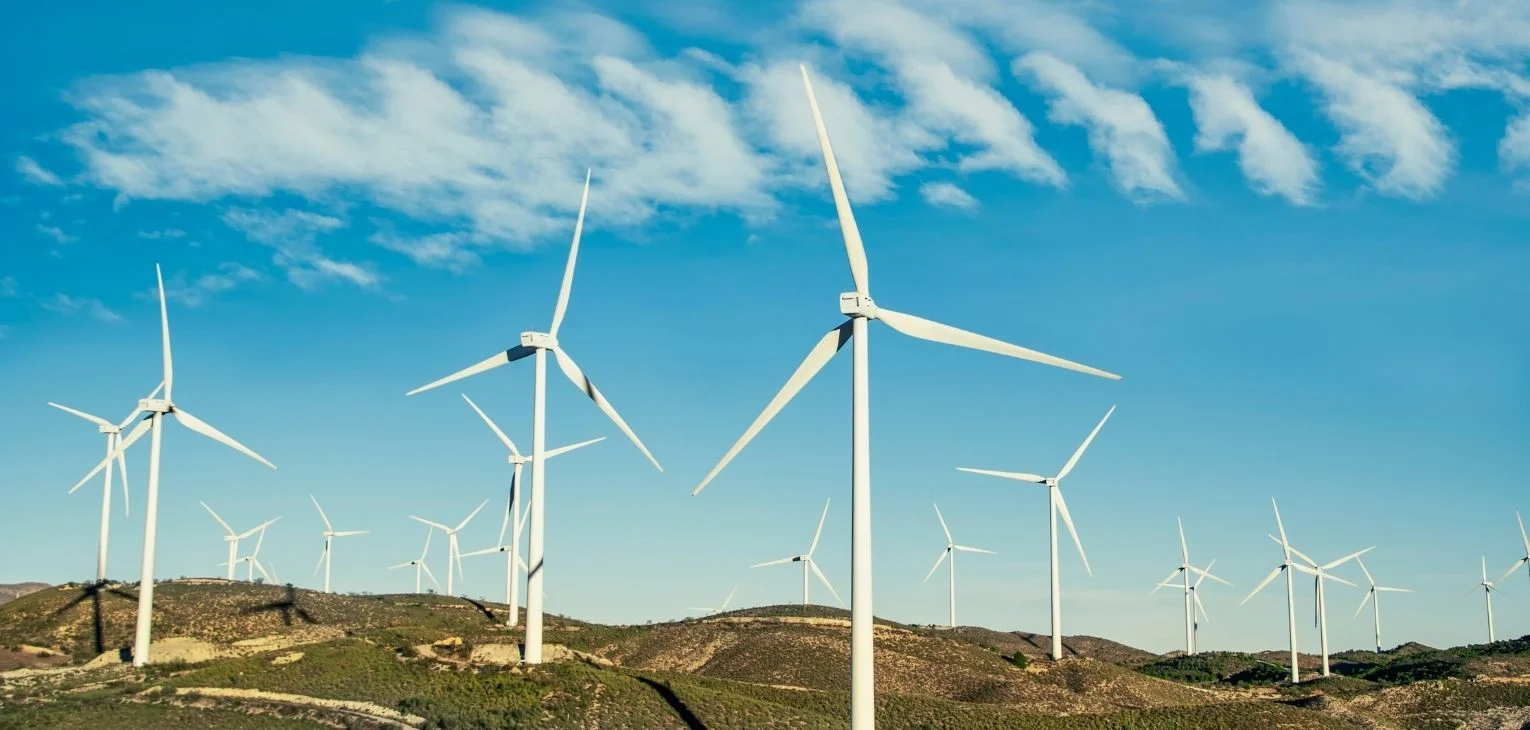
Wind energy is electricity generated by converting the kinetic energy of moving air into power using wind turbines.
It encompasses the atmospheric processes that create usable wind, the complex engineering required to capture that energy, and the evolving strategies necessary to integrate this variable source into the electric grid.
Wind power plants capture the kinetic energy of moving air to rotate turbine blades, converting mechanical motion into electricity. Like solar, it is a non-dispatchable, intermittent resource, but it boasts excellent capacity factors in prime locations.
What are the Types of Wind Turbines?
Wind turbines are primarily classified according to their installation environment, which directly influences their design, energy yield, cost structure, and operational complexity.
-
Onshore Wind Turbines:
Onshore wind turbines are installed on land-based sites such as plains, hills, and agricultural areas. These projects typically benefit from lower upfront capital expenditure, faster permitting processes, and easier access for construction and maintenance. However, onshore wind farms face limitations related to land availability, visual impact, noise regulations, and generally more variable wind conditions. As a result, capacity factors are usually lower compared to offshore installations, but onshore wind remains one of the most cost-effective renewable energy sources worldwide.
-
Offshore Wind Turbines:
Offshore wind turbines are deployed in oceans, seas, or large lakes, where wind speeds are stronger, more consistent, and less obstructed. These superior wind conditions translate into significantly higher energy output and capacity factors, frequently exceeding 50%. Offshore projects enable large-scale renewable generation close to coastal demand centers, but they come with substantial challenges, including high capital costs, complex marine engineering requirements, grid connection constraints, and specialized maintenance operations that depend on weather windows and marine logistics.
Operational Maintenance and Predictive Analytics for Wind Assets
Wind turbines are complex machines subject to enormous stress, making preventative maintenance critical. However, maintenance downtime means lost revenue. To minimize costly, unplanned outages and optimize scheduled maintenance, firms rely on predictive analytics.
In these systems, sensors monitor vibration, temperature, and component stress, feeding data into machine learning models. These models predict when a component is likely to fail, allowing operators to schedule maintenance precisely when wind is low or market prices are unfavorable, maximizing the turbine’s uptime during high-value periods.
The Intermittency Challenge: Managing Variability and Forecasting Necessity
The intermittency of wind power is its biggest market challenge. Large amounts of wind power can unpredictably flood the grid, driving down wholesale electricity prices. This requires wind project owners to employ sophisticated algorithmic energy trading strategies to sell their power in real-time or intraday markets, often needing to secure specialized revenue streams like Ancillary Services (frequency regulation) to ensure profitability.
Accurate wind forecasting is essential for all market operations. The scale of the forecasting task is immense: traders must know not just the wind speed at a single turbine, but across an entire portfolio spread over hundreds of miles, often hours or days in advance. Failure to accurately forecast production means incurring costly imbalance penalties when the actual power delivered doesn’t match the scheduled amount.
How BESS Mitigates Wind Fluctuations?
Wind is a prime partner for Battery Energy Storage Systems (BESS), which can store excess production during windy, low-demand periods and release it during high-demand or low-wind periods, transforming the intermittent nature of wind into a dispatchable, reliable asset.
What is Hydropower?
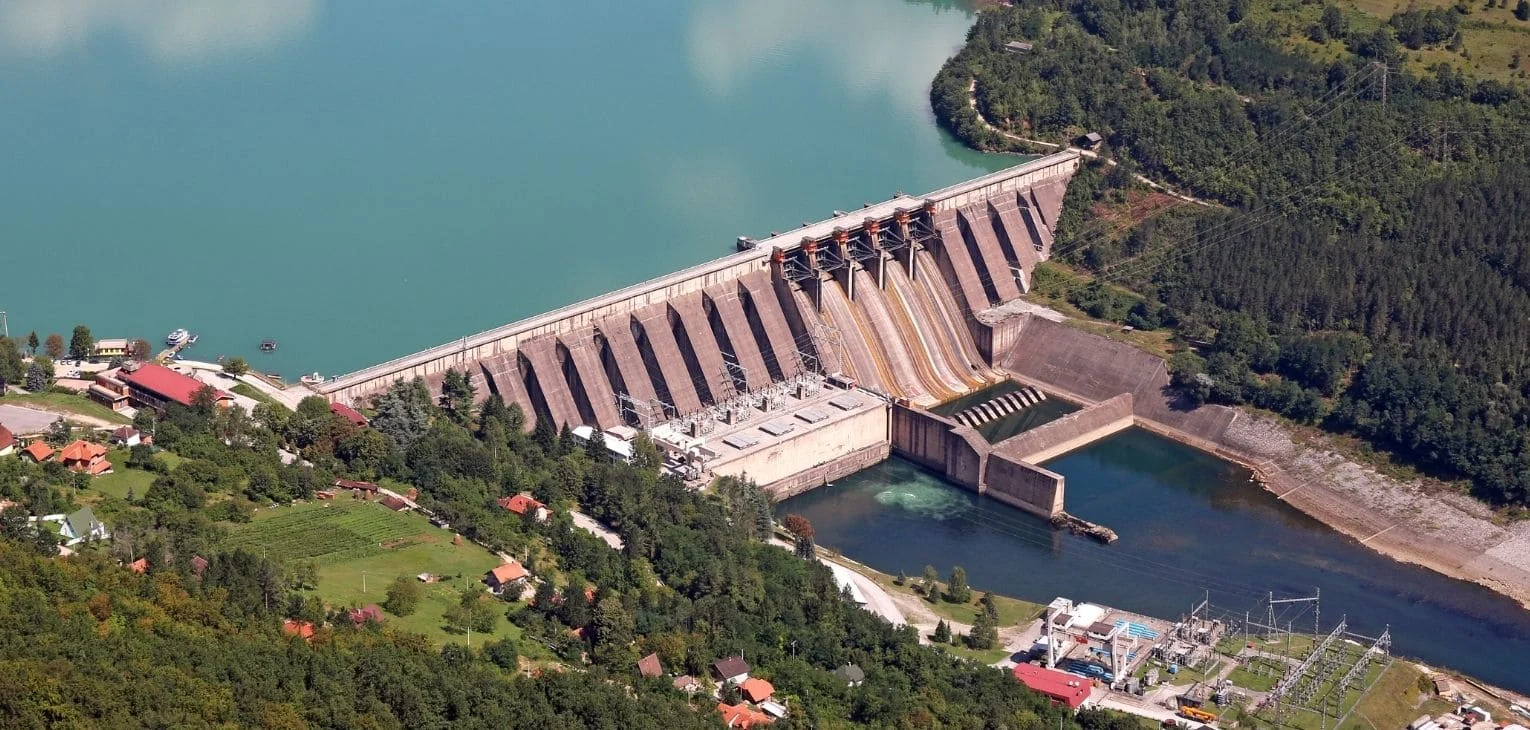
Hydropower is electricity generated by using flowing or falling water to drive turbines connected to generators.
It is a cornerstone of global renewable energy due to its reliability, high efficiency, and unique ability to store energy. As the largest source of renewable electricity worldwide, hydropower energy production surpasses the combined production of solar and wind energy.
At its core, hydropower converts the potential energy of water stored at a high elevation into kinetic energy (motion), which is then converted into electrical energy.
The power generated by a hydroelectric plant depends on two primary physical factors:
- Head (Elevation Change): The vertical distance the water falls. The greater the head, the higher the potential energy.
- Flow (Volume): The amount of water moving through the system over a period of time.
How does a Hydropower Plant Work?
Water is either stored in a large reservoir created by a dam or diverted from a river’s natural flow using a weir. Then the water is directed down a large pipe or tunnel called a penstock to the powerhouse at a lower elevation.
The high-pressure, fast-flowing water strikes and spins the blades of a turbine. The turbine is mechanically connected to a generator, which converts the rotational (mechanical) energy into electricity via electromagnetic induction.
In large-scale facilities, sophisticated governor systems are used to instantly adjust water flow, ensuring the grid frequency remains stable. It is a critical service known as “frequency regulation.”
What are the Types of Hydropower Facilities?
Hydropower facilities are categorized based on how water is stored, diverted, and released for electricity generation.
-
Impoundment (Storage) Hydropower:
Uses a large dam to store water in a reservoir, creating a significant “head.” This is the most common and flexible type. The stored water can be released precisely when electricity is needed (during peak demand or when intermittent sources like wind/solar are low). This capability allows it to provide both baseload (continuous) and peak load (on-demand) power.
-
Diversion (Run-of-River) Hydropower:
Channels a portion of the river’s flow through a pipe or canal to the powerhouse without requiring a large dam or reservoir. Generates electricity using the natural flow of the river. It has minimal storage capacity, meaning its generation capacity is dependent on the river’s current flow rate. It is less flexible than storage hydropower but has a much smaller environmental footprint.
-
Pumped Storage Hydropower (PSH):
Functions like a giant rechargeable battery, featuring two reservoirs at different elevations. When electricity demand is low (and power is cheap/surplus from wind/solar), the facility uses that power to pump water from the lower reservoir to the upper reservoir. When demand is high, the water is released back down through the turbines to generate power. It provides grid stability and is essential for integrating large amounts of intermittent renewable energy by converting surplus electricity into potential energy that can be rapidly dispatched.
Strategic Role and Geopolitical Impact of Hydroelectric Power:
Hydropower’s value extends far beyond simply generating electricity, making its development a strategic priority for many nations.
The Flexibility Advantage:
Hydropower stations can be ramped up or shut down extremely quickly, in a matter of minutes, faster than most fossil fuel or nuclear plants. This rapid response capability makes it the ideal partner for volatile solar and wind generation, acting as the primary system balancer in many modern grids.
Geopolitics and Transboundary Rivers:
The reliance of hydropower on geographical features (rivers and elevation) often introduces complex geopolitical challenges, particularly in river systems that cross international borders
Environmental and Social Costs:
While clean in operation (no CO2 emissions during generation), large-scale storage hydropower has significant environmental impacts, such as ecosystem disruption, methane emissions, and displacement of local communities.
What is Geothermal Energy?
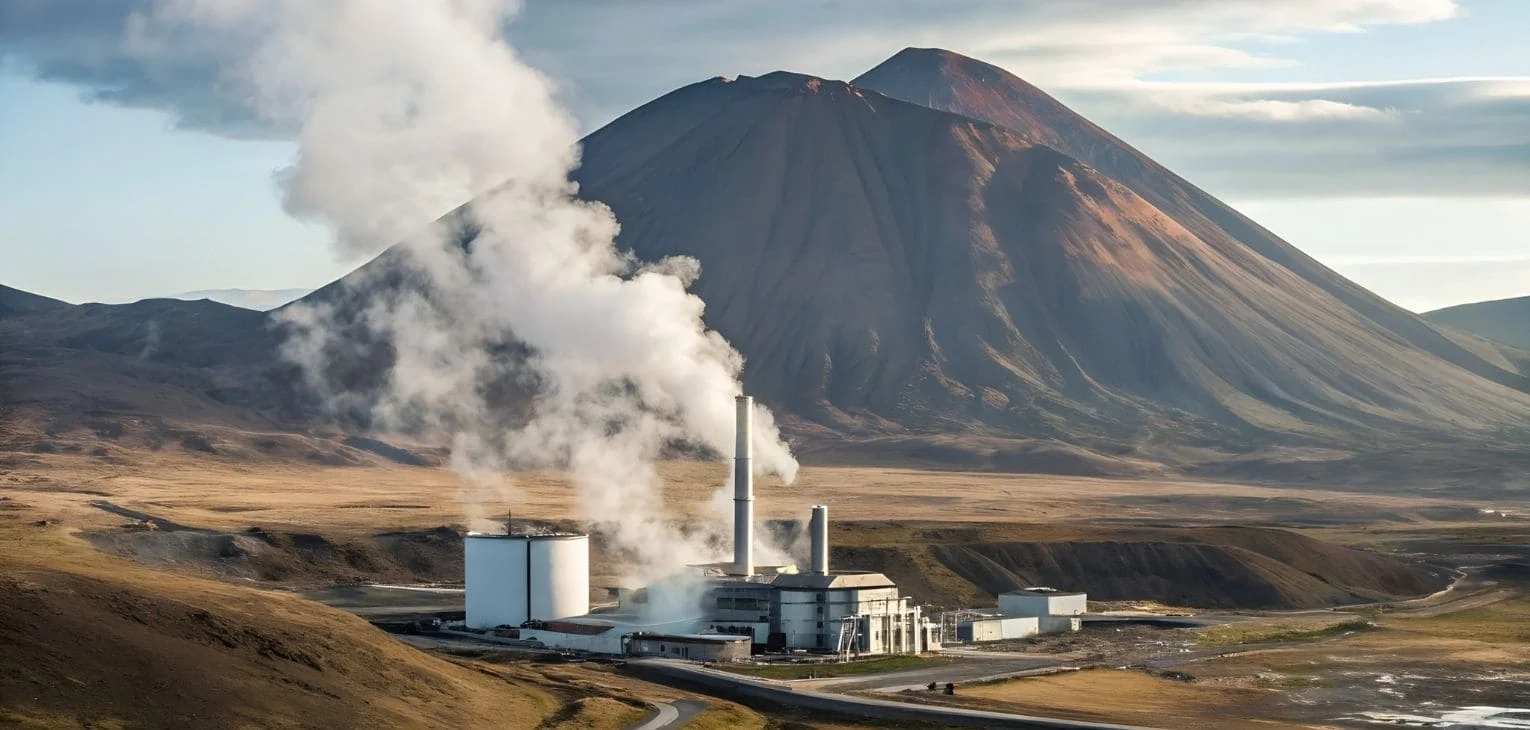
Geothermal energy is electricity generated by harnessing heat from the Earth’s interior to produce steam that drives turbines.
Water is pumped underground, turned into steam or superheated fluid by the magma, and then brought back to the surface to spin turbines.
What are the Types of Geothermal Energy Systems?
Geothermal systems are designed according to underground temperature, pressure, and reservoir depth.
-
Dry Steam (The Rarest):
This system uses pure steam directly from the earth’s reservoir, routing it straight to a turbine. It is the oldest and simplest design, but only feasible where high-quality steam is readily available.
-
Flash Systems:
This is the most common conventional system. Pressurized hot water is “flashed” (suddenly exposed to lower pressure) at the surface, causing some of it to instantly convert into steam, which then drives the turbine.
-
Binary Cycle:
This is the most common modern system. The system uses the geothermal fluid to heat a secondary working fluid (like isobutane) with a lower boiling point, which then spins the turbine. This binary system allows for efficient use of lower-temperature reservoirs.
What is the Downside of Geothermal Energy?
Unlike solar and wind, geothermal power is geographically constrained. Economically viable geothermal resources are typically found in geologically active regions, particularly along tectonic plate boundaries (such as the “Ring of Fire”). This is because the heat source (magma or hot rock) must be close enough to the surface to be accessed economically.
What is the Advantage of Geothermal Energy?
Geothermal’s defining characteristic is its extremely high capacity factor, often operating at 90% or higher. Unlike solar or wind, the Earth’s heat is constantly available, making geothermal highly reliable and dispatchable. This makes it an ideal source of baseload power, the minimum electricity continuously required by the grid, providing stability and reducing the need for fossil fuel backups.
What is Bioenergy?
Bioenergy is renewable energy produced from organic materials such as plants, agricultural waste, and biological residues.
Unlike solar and wind, bioenergy is dispatchable, meaning it can be stored and converted into power or heat on demand. This makes it a crucial resource for filling in supply gaps left by intermittent sources and for providing stable baseload power.
What are the Sources of Bioenergy?
Biomass includes a wide range of organic materials that capture and store solar energy through photosynthesis.
The key source materials are:
-
Agricultural Residues:
Crop waste (like corn stover or rice husks) and animal manure.
-
Energy Crops:
Fast-growing plants cultivated specifically for energy production (e.g., switchgrass or short-rotation woody crops).
-
Forestry Residues:
Wood chips, sawdust, and waste from logging.
-
Municipal Solid Waste (MSW):
Non-recyclable household waste that can be incinerated or processed.
How Biomass is Transformed into Energy?
Biomass is converted into usable energy (heat, electricity, or liquid fuel) using three primary pathways:
-
Direct Combustion:
The simplest method involves directly burning the solid biomass (wood pellets, agricultural waste) in a boiler to produce high-pressure steam, which then drives a turbine to generate electricity. This is often employed in dedicated biomass power plants or co-fired with coal in existing power stations.
-
Thermal Conversion (Gasification/Pyrolysis):
These processes heat biomass in an environment with little or no oxygen to produce synthetic gas (syngas) or bio-oil. Syngas can be burned efficiently in a gas turbine to generate electricity, offering a cleaner combustion profile than direct burning.
-
Biochemical Conversion (Anaerobic Digestion):
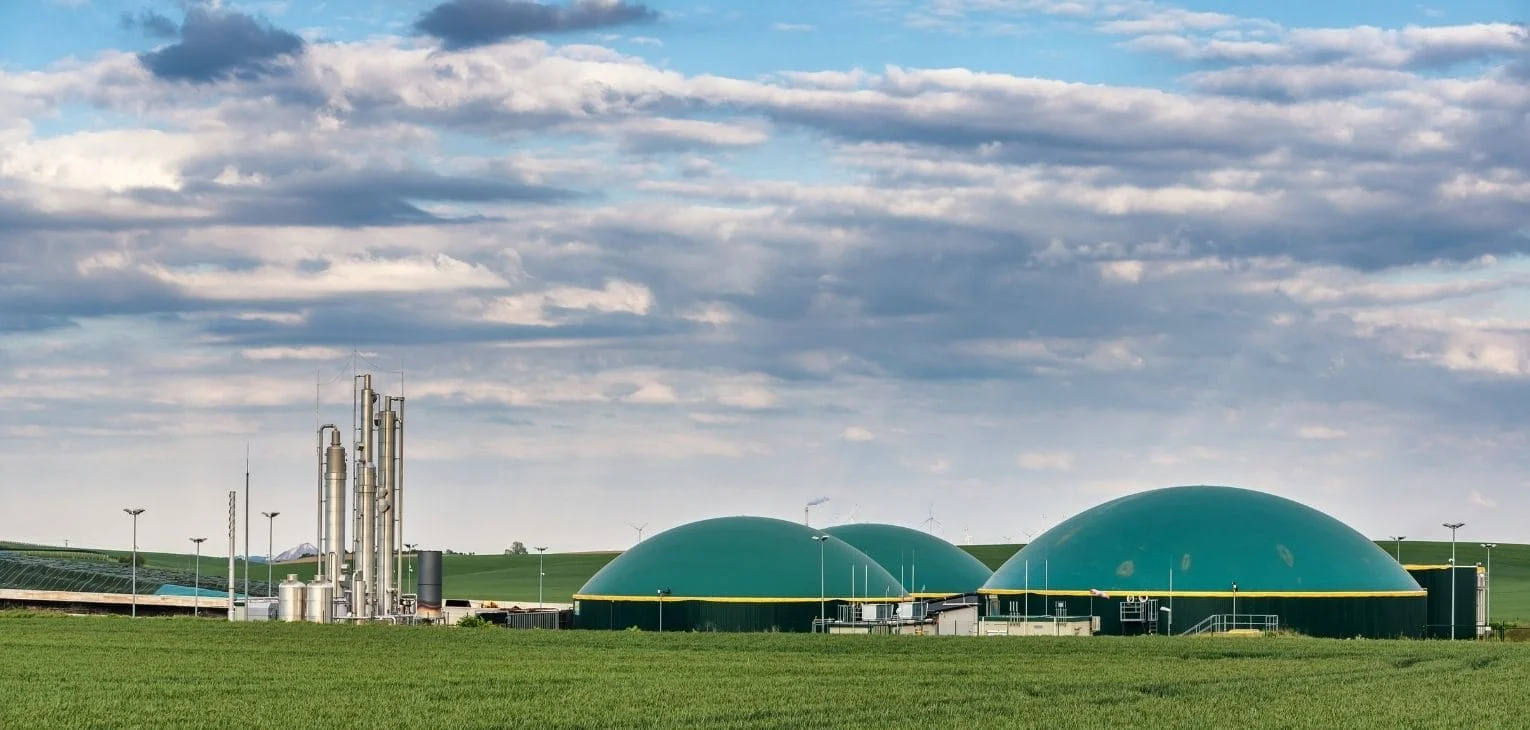
This pathway uses microorganisms to break down wet organic matter (like manure or food waste) in the absence of oxygen. The process yields biogas (primarily methane), which can be burned in engines for power generation or upgraded to biomethane for injection into natural gas pipelines.
Bioenergy and Waste-to-Energy: Sustainability Debates and Supply Chain Logistics
The primary appeal of bioenergy is that it can be stored and used on demand, making it dispatchable. This makes it a crucial resource for filling in gaps left by intermittent sources. However, bioenergy faces significant sustainability debates regarding land use, deforestation, and whether its carbon emissions are truly “net-zero.”
Operationally, supply chain logistics are complex and costly: unlike extracting sun or wind, biomass requires extensive management of harvesting, transportation, processing, and inventory to ensure a steady, reliable fuel source for the plant.
What are Tidal Energy and Wave Energy?
Tidal and wave energy is electricity generated by capturing the kinetic energy of ocean tides and surface waves.
These are cutting-edge technologies that promise highly predictable energy output, representing a massive, yet currently expensive, frontier in renewable power.
The central strategic challenge for both tidal and wave power is the high capital cost. The equipment must be built to survive the harshest environment on Earth: continuous movement, extreme water pressure, and constant corrosion from saltwater.
This necessity for extremely robust, specialized engineering pushes the Levelized Cost of Energy (LCOE) for wave and tidal power higher than established sources like solar and onshore wind, constraining their current commercial deployment.
How is Tidal Energy Generated?
Tidal energy is driven by the gravitational pull of the moon and the sun, making it the most predictable of all renewable sources. This near-perfect predictability is a huge advantage for grid management. Tidal power is harnessed through two main mechanical methods:
-
Tidal Barrages:
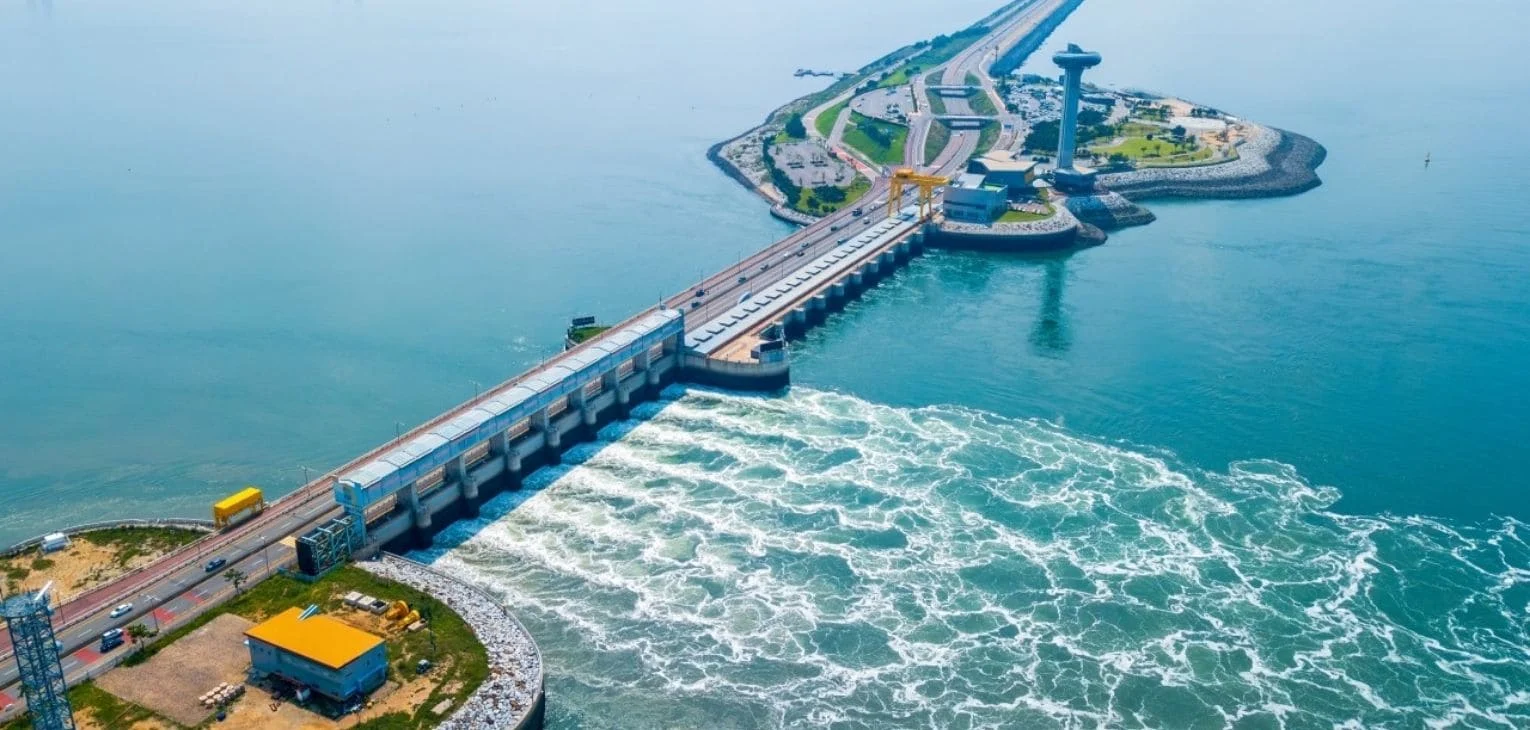
These function like dams built across the mouth of an estuary or bay. They generate power as water flows in and out, utilizing the head (height difference) created by the rising and falling tide.
-
Tidal Stream Generators:
These are often likened to underwater wind turbines. They are placed in high-velocity tidal streams and capture the kinetic energy of the moving water current, generating power without requiring a dam structure.
-
Tidal Lagoons:
Constructed along the shoreline, a tidal lagoon is an independent enclosure. It is often defined by a circular sea wall. While it operates on the same principles as a tidal barrage, it is considered less disruptive because it captures tidal energy without sealing off an entire estuary.
How is Electricity Generated from Waves?
Wave energy technologies convert the vertical and horizontal motion of ocean waves into electrical power.
Unlike tides, wave energy is less predictable but far more widely distributed geographically. Conversion technologies are diverse and often remain in the demonstration phase:
-
Surface Attenuators (“Snakes”):
Long, snake-like structures that float on the water and capture power as waves cause them to flex and bend.
-
Point Absorbers:
Small buoys or floating structures that bob up and down, utilizing the vertical movement to drive a generator.
Renewable Energy Questions and Answers
What is the most reliable renewable energy source?
While solar energy and wind power are the most common, geothermal energy and hydropower are considered the most reliable for “baseload” power because they offer high capacity factors and are not dependent on short-term weather changes.
How does BESS help with renewable energy integration?
Battery Energy Storage Systems (BESS) capture excess energy during periods of high production (like a sunny afternoon) and release it during peak demand. This solves the problem of intermittency and makes renewable energy dispatchable.
What is the difference between Solar PV and CSP?
Solar PV (Photovoltaics) converts sunlight directly into electricity using semiconductors. CSP (Concentrating Solar Power) uses mirrors to focus heat, which is then used to drive a steam turbine.
Why is forecasting important for wind and solar power plants?
Because wind and solar power are intermittent, grid operators need to know exactly how much power will be generated to maintain balance. Accurate solar and wind energy forecasting reduces “imbalance penalties” and allows traders to optimize market bids.
What is the Levelized Cost of Energy (LCOE)?
LCOE is a financial metric used to compare the lifetime costs of different energy-generating technologies. It represents the average cost per unit of electricity generated (MWh) over the entire life of a plant, including construction, operation, and maintenance.
What is the difference between onshore and offshore wind farms?
Onshore wind farms are built on land and are generally cheaper and easier to maintain. Offshore wind farms are built in bodies of water; while they have higher capital costs, they benefit from stronger, more consistent winds, leading to much higher energy output.
Can a power grid run on 100% renewable energy?
Yes, but it requires a combination of “dispatchable” renewables (like hydropower and geothermal), massive investment in BESS (Battery Energy Storage Systems), and sophisticated AI-driven grid integration to balance supply and demand in real-time.
What are “Imbalance Penalties” in power trading?
Imbalance penalties are fines levied by grid operators when an energy producer delivers more or less electricity than they officially scheduled. For intermittent sources like solar and wind, accurate forecasting is essential to avoid these costs.
What is “Dispatchable” power?
Dispatchable power (like geothermal or bioenergy) can be turned on or off by an operator to meet demand.
Why is “Capacity Factor” important for renewable energy?
The capacity factor is the ratio of actual energy produced over a period of time compared to the maximum possible output. Geothermal has a high capacity factor (operating nearly 24/7), while solar has a lower capacity factor because it only generates power during daylight.
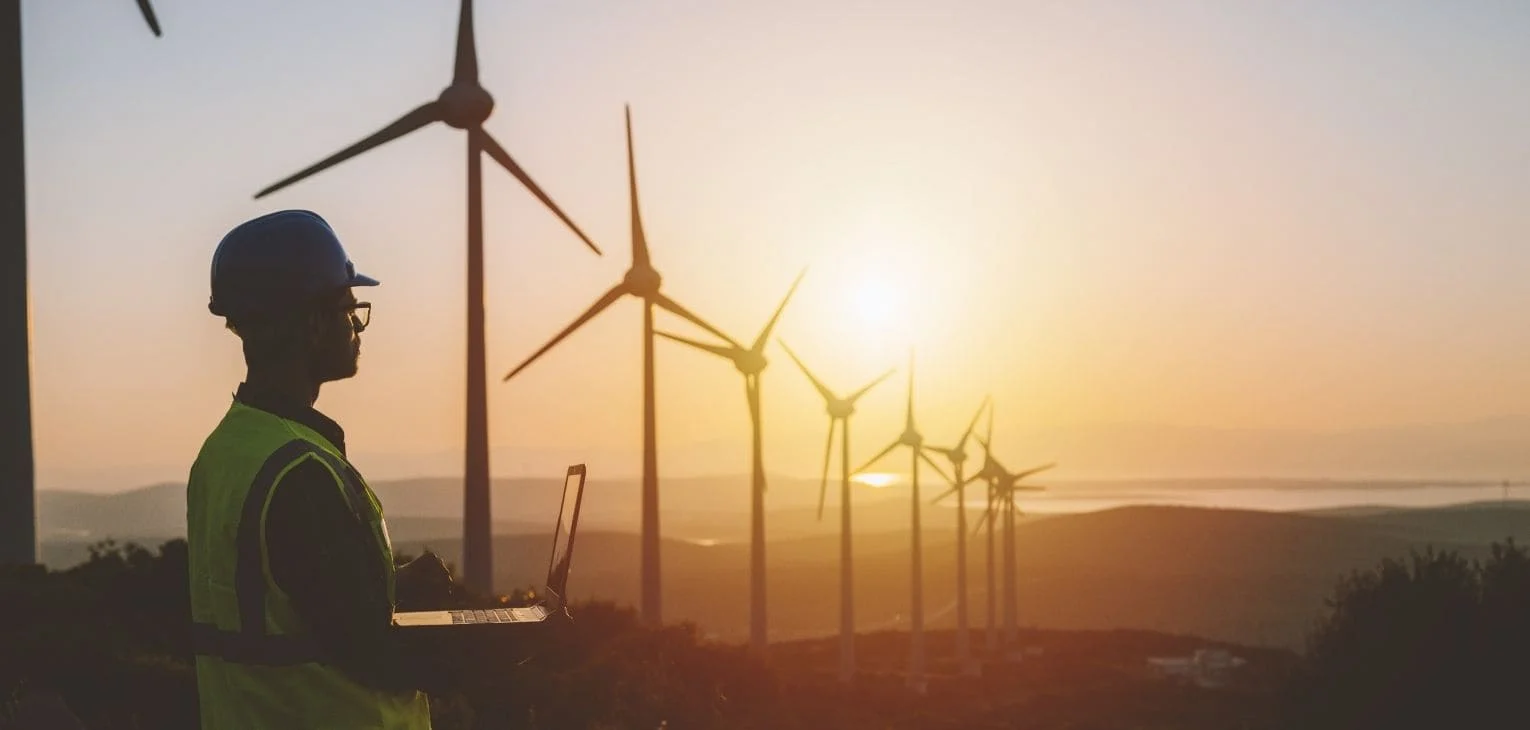
How smartPulse Accelerates the Global Energy Transition?
In the race to save our planet, the challenge is no longer just building more wind farms or solar parks. It is making sure the energy they produce actually reaches the people who need it, without destabilizing the grid.
This is where smartPulse plays a vital role. By bridging the gap between clean energy production and the complex reality of the power markets, we are helping to build a more sustainable, resilient world.
Here is how smartPulse contributes to a better future:
1. Automated Energy Trading: Making Clean Energy Competitive
For the world to fully move away from fossil fuels, green energy must be more than just “clean”; it must be the smartest financial choice.
Our Automated Energy Trading algorithms monitor market prices 24/7, executing trades in milliseconds to capture the best value for every kilowatt-hour. By maximizing the revenue of wind and solar plants, we make these projects more attractive to investors, accelerating the global phase-out of coal and gas.
2. Integration with Forecasting Providers: Eliminating Uncertainty
The biggest hurdle for renewables is their unpredictability. If the wind stops or a cloud covers the sun, the grid can become unstable.
Our platform integrates with Forecasting Providers to turn “unpredictable” weather into “reliable” data. By knowing exactly how much energy is coming hours or days in advance, we help grid operators keep the system stable without needing to turn on “dirty” fossil fuel backup plants.
3. Real-Time Optimization for Batteries (BESS): Ending Energy Waste
A major challenge in renewable energy is curtailment. When valuable clean electricity is produced but cannot be used because the grid lacks flexibility.
Our BESS Optimization Module acts as the conductor for energy storage. It directs batteries to soak up surplus solar or wind power and release it exactly when it’s needed most. This maximizes the impact of every green electron and makes a 100% renewable grid technically possible.
4. TSO Compliance: Seamless Grid Integration
Every power plant must follow strict rules from Transmission System Operators (TSOs) to keep the grid safe.
smartPulse automates TSO Compliance, ensuring that renewable plants respond instantly to grid signals. By handling these complex requirements automatically, we make it easier for diverse, clean energy sources to integrate into the existing power structure, creating a more resilient and independent energy future.
5. Reducing Imbalance Penalties: A More Efficient System
When a generator delivers more or less power than promised, they pay “imbalance penalties.” This waste of capital slows down the green transition.
By using precision data to Reduce Imbalance Penalties, smartPulse keeps capital within the renewable sector. Every dollar saved on a fine is a dollar that can be reinvested into expanding the world’s clean energy capacity.
Conclusion: Leading the Clean Energy Frontier
The transition to renewable energy is the most complex engineering and economic challenge of our time, but as this guide has shown, the technology to succeed already exists. From the predictable pull of the tides to the intense heat of the Earth’s core, we have a diverse toolkit of carbon-free resources ready to replace the fossil fuel era.
However, building the turbines and installing the panels is only the first step. The true winners in the new energy landscape will be those who master the integration of these assets. By combining high-efficiency hardware with sophisticated forecasting and automated energy trading platforms, energy companies can transform unpredictable natural forces into stable, profitable, and clean power for the global economy.
The move to renewables is no longer just a “green” choice; it is a strategic move toward a more resilient, low-cost, and independent energy future.
Book a personalized demo today to see how smartPulse can transform your renewable operations into a high-performance, automated power engine.